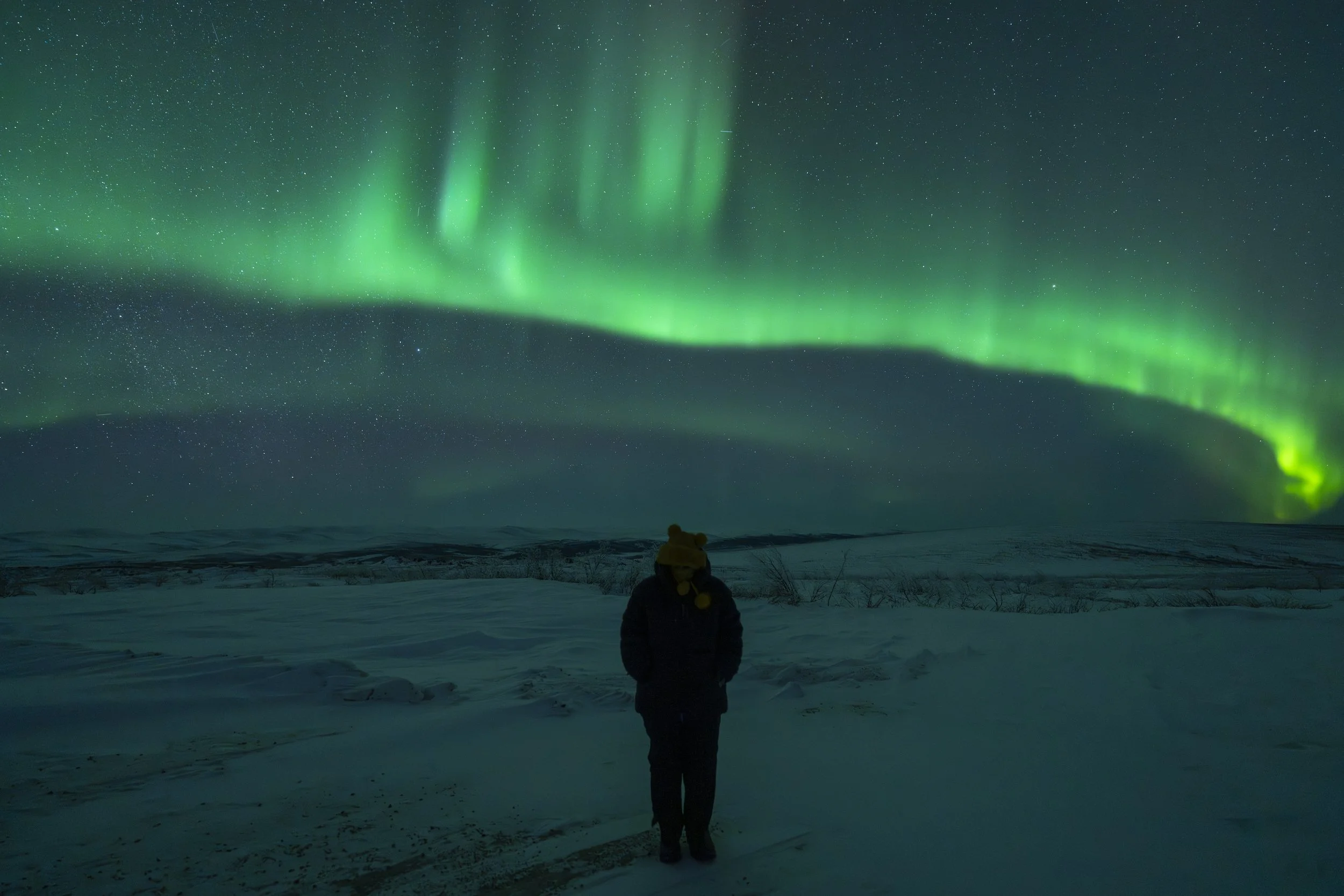
Frozen in Awe
There is a specific kind of silence that only exists at -40°C. It’s a temperature so extreme that the air feels heavy, almost brittle, and the distinction between Celsius and Fahrenheit finally vanishes. At -40, they are exactly the same, and both are "unbelievably cold." This was the backdrop for my March expedition to the edge of the habitable world: Coldfoot, Alaska.
The Town That Got "Cold Feet"
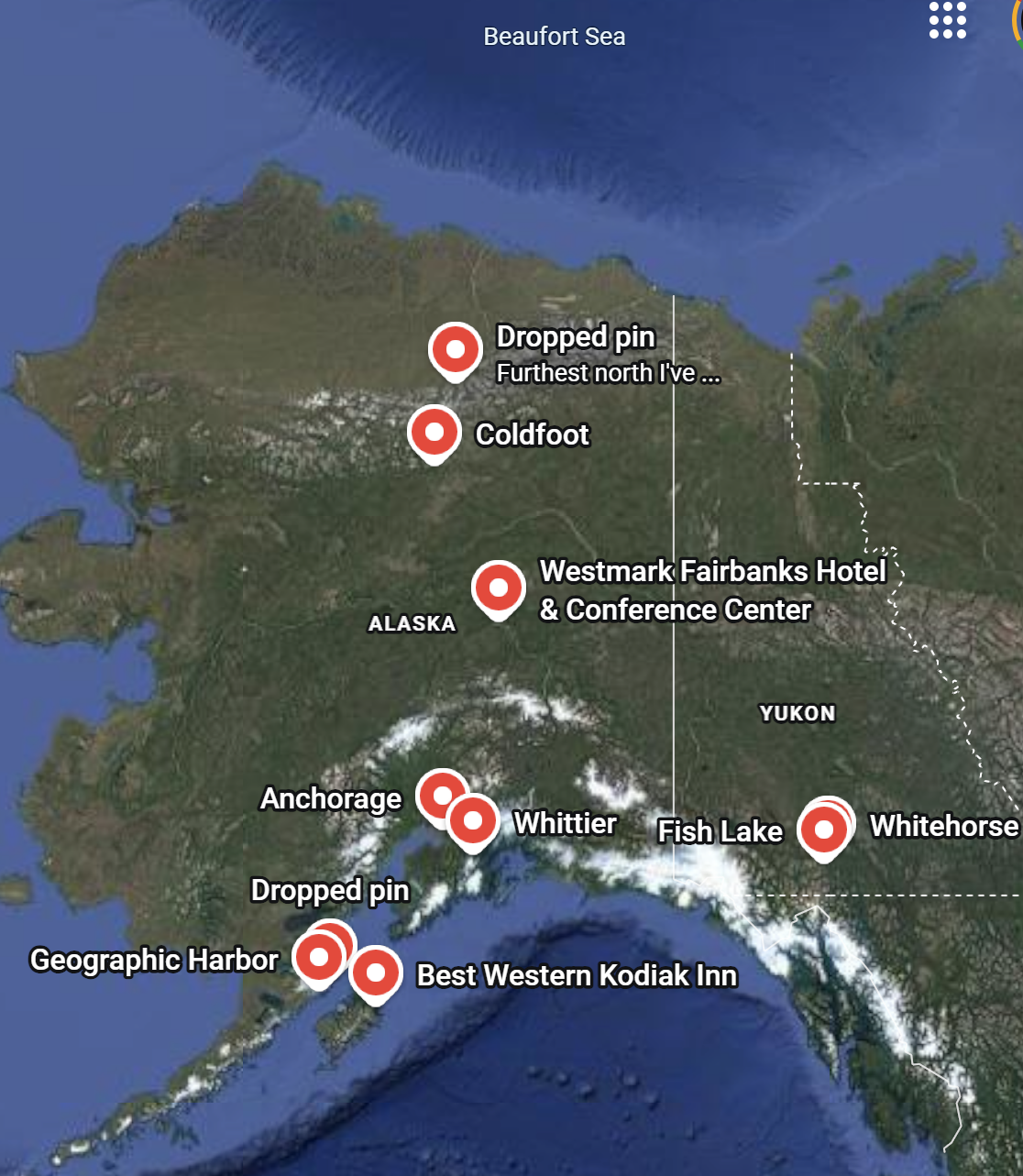
Nestled 93km north of the Arctic Circle, Coldfoot isn't your typical tourist destination. It began its life in 1898 as a gold mining camp called Slate Creek. Legend has it the town earned its current name when a group of prospectors made it this far, looked at the brutal winter ahead, got "cold feet," and turned back south.
Today, it serves as a vital, gritty lifeline for truckers hauling loads up the Dalton Highway (the "Haul Road") toward the oil fields of Prudhoe Bay. It’s a place of gravel ice roads, repurposed pipeline trailers, and the last legal bar for hundreds of miles. It’s rugged, functional, and the perfect basecamp for chasing the lights.
Friday the 13th: The Phoenix Rises
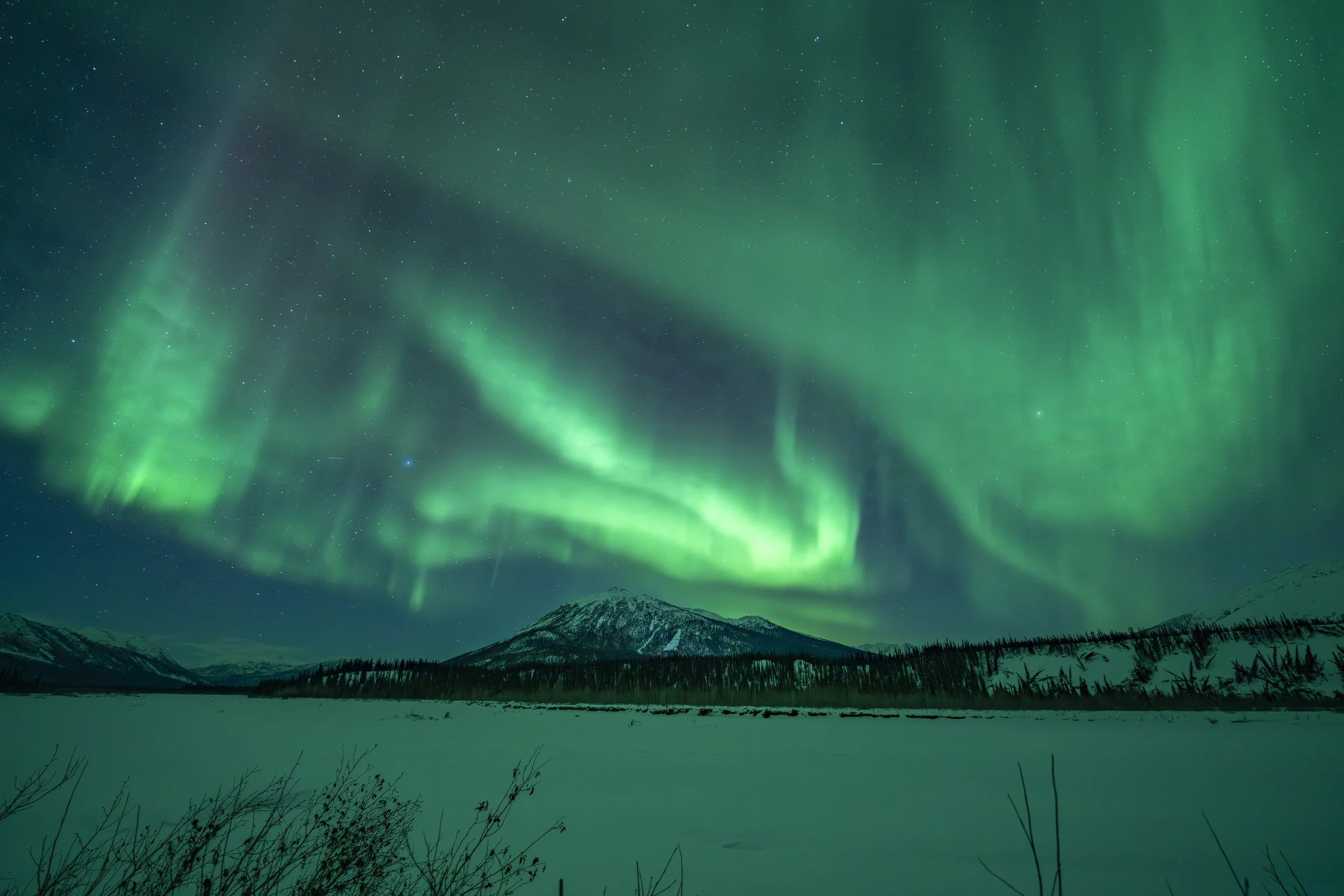
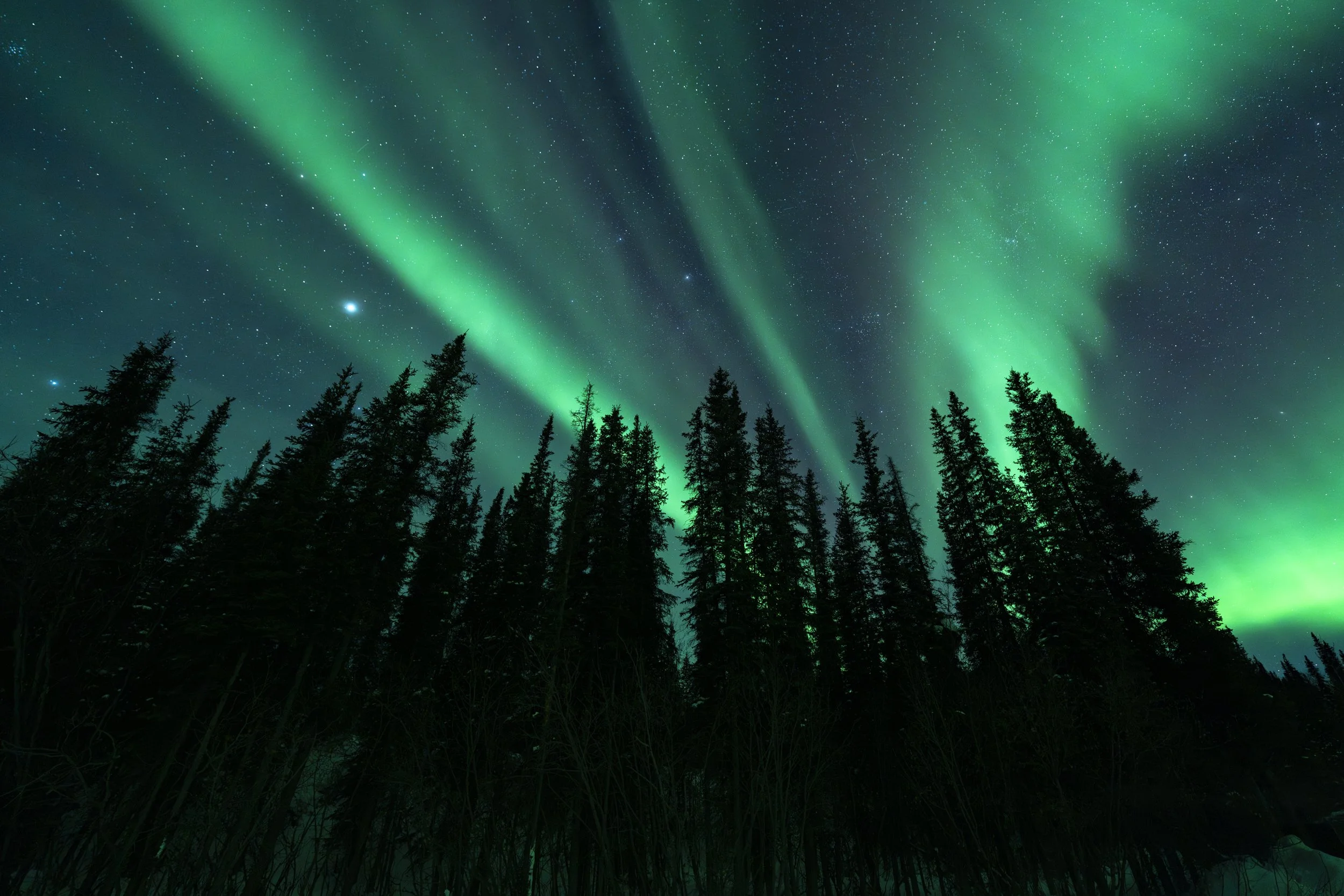
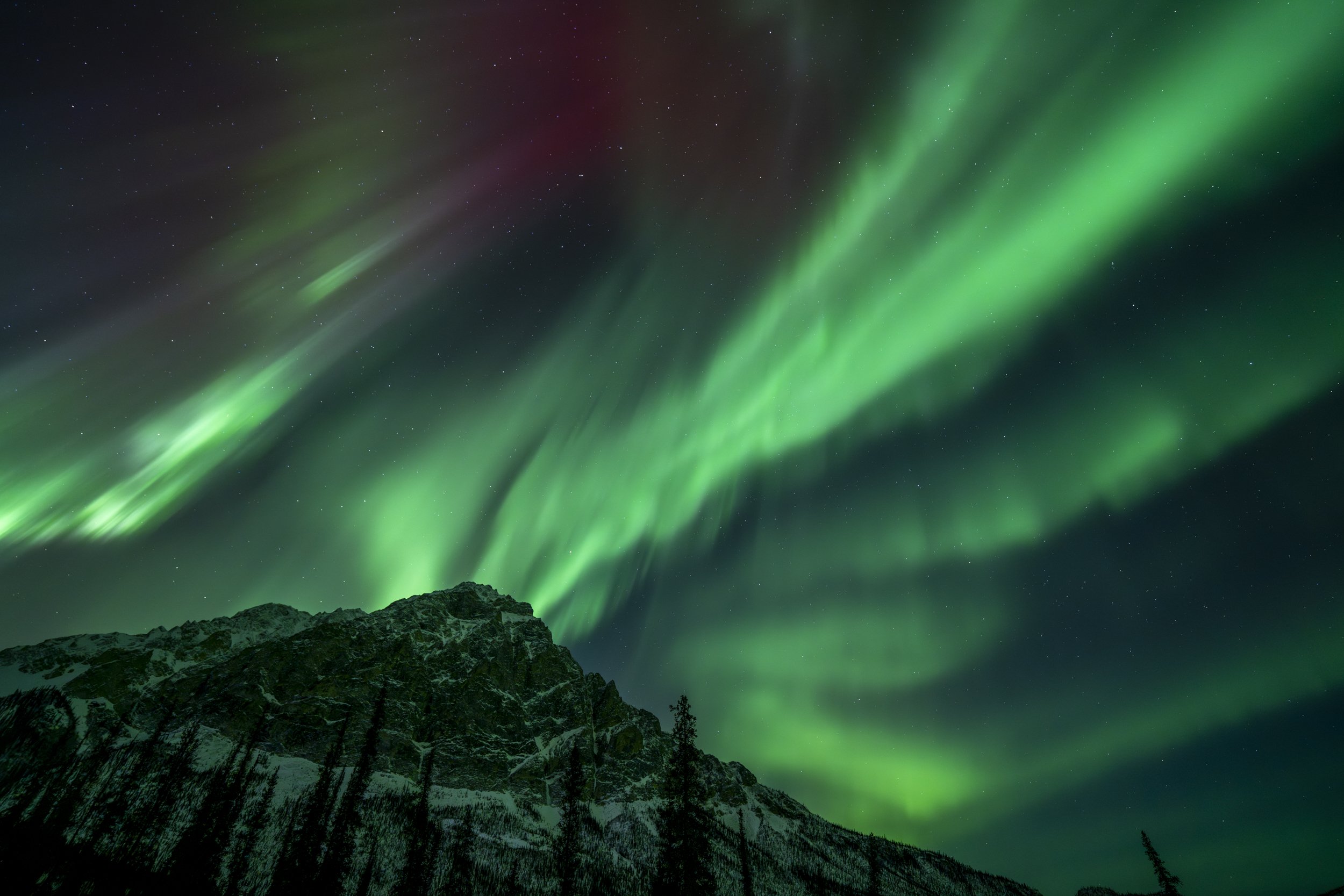
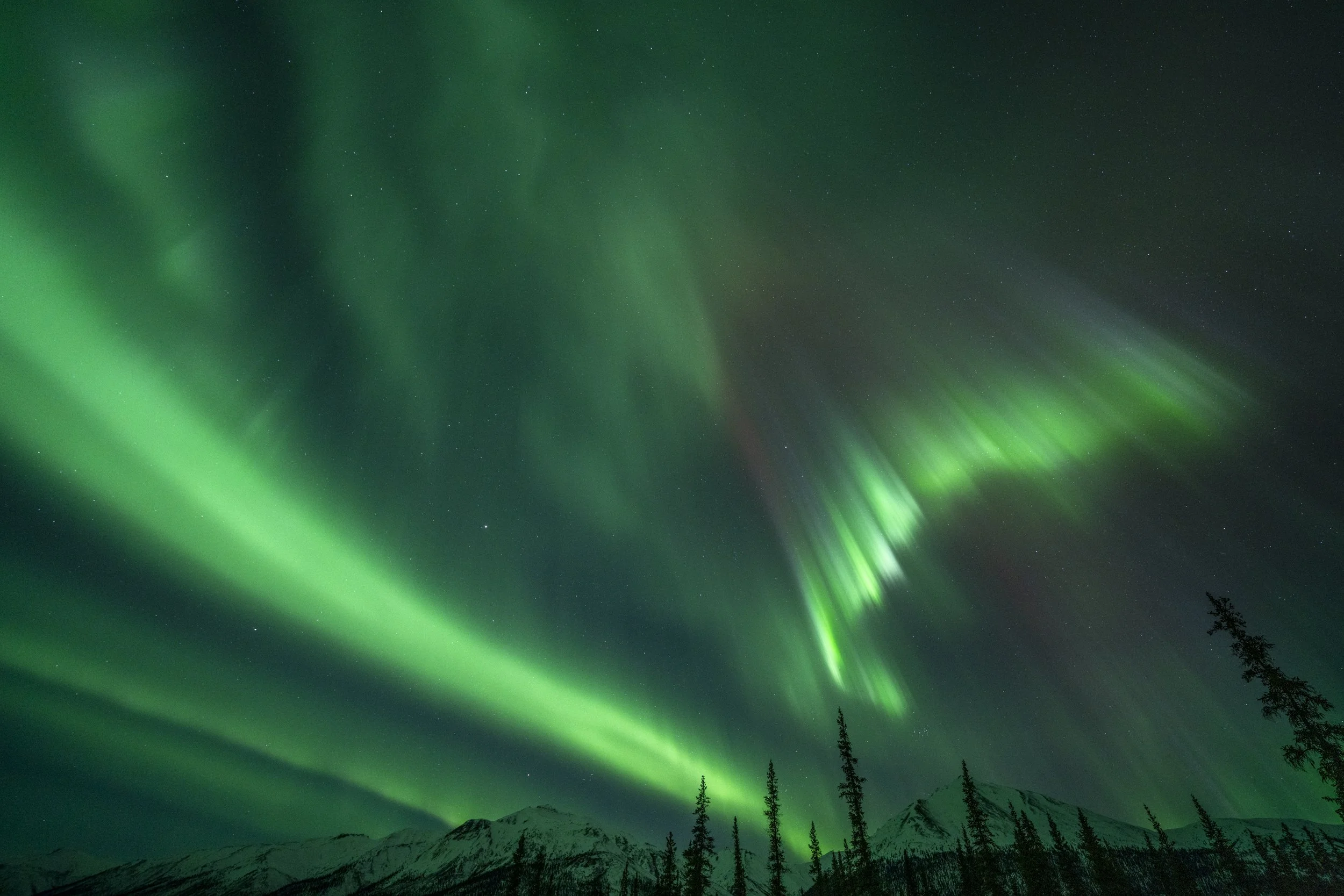
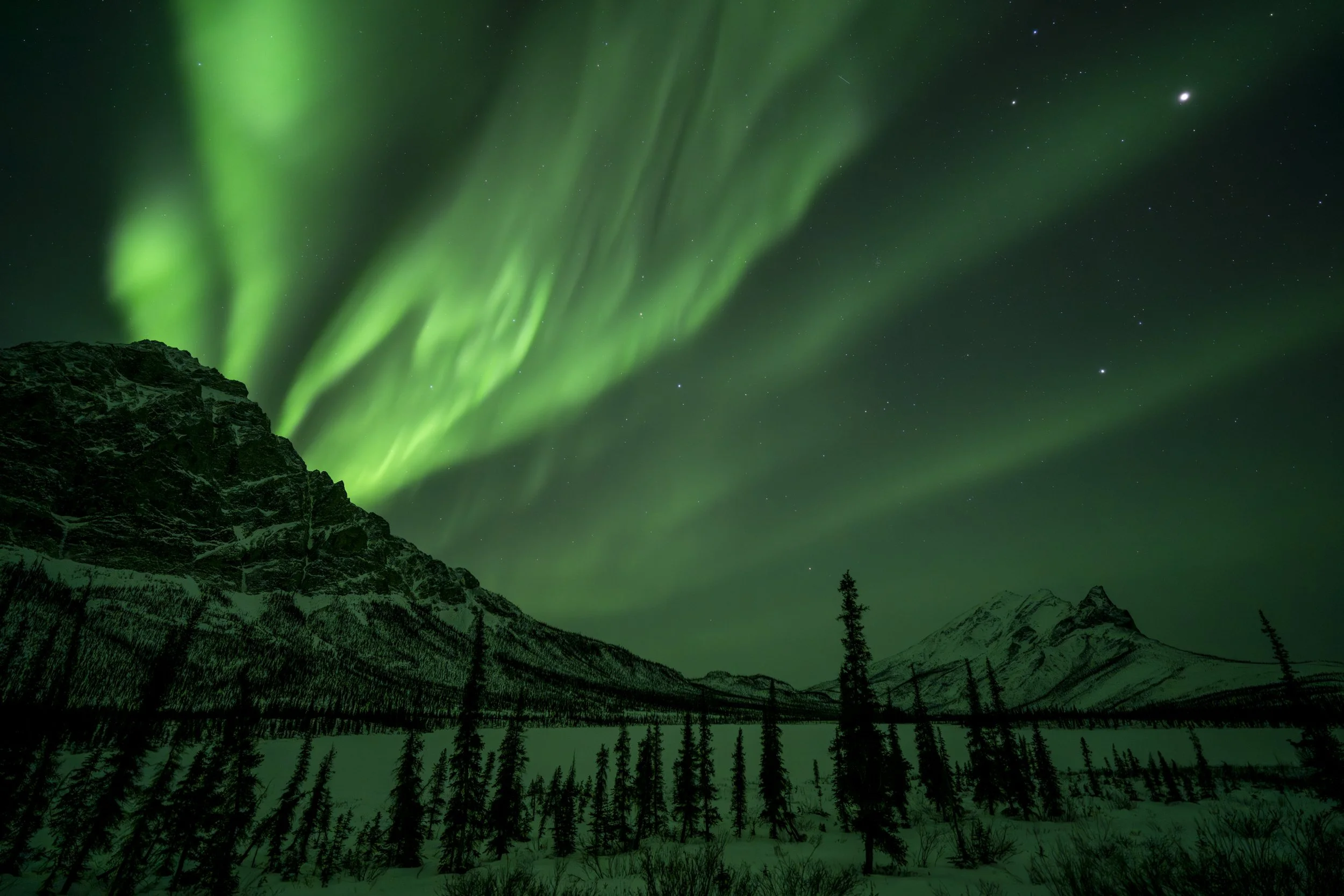
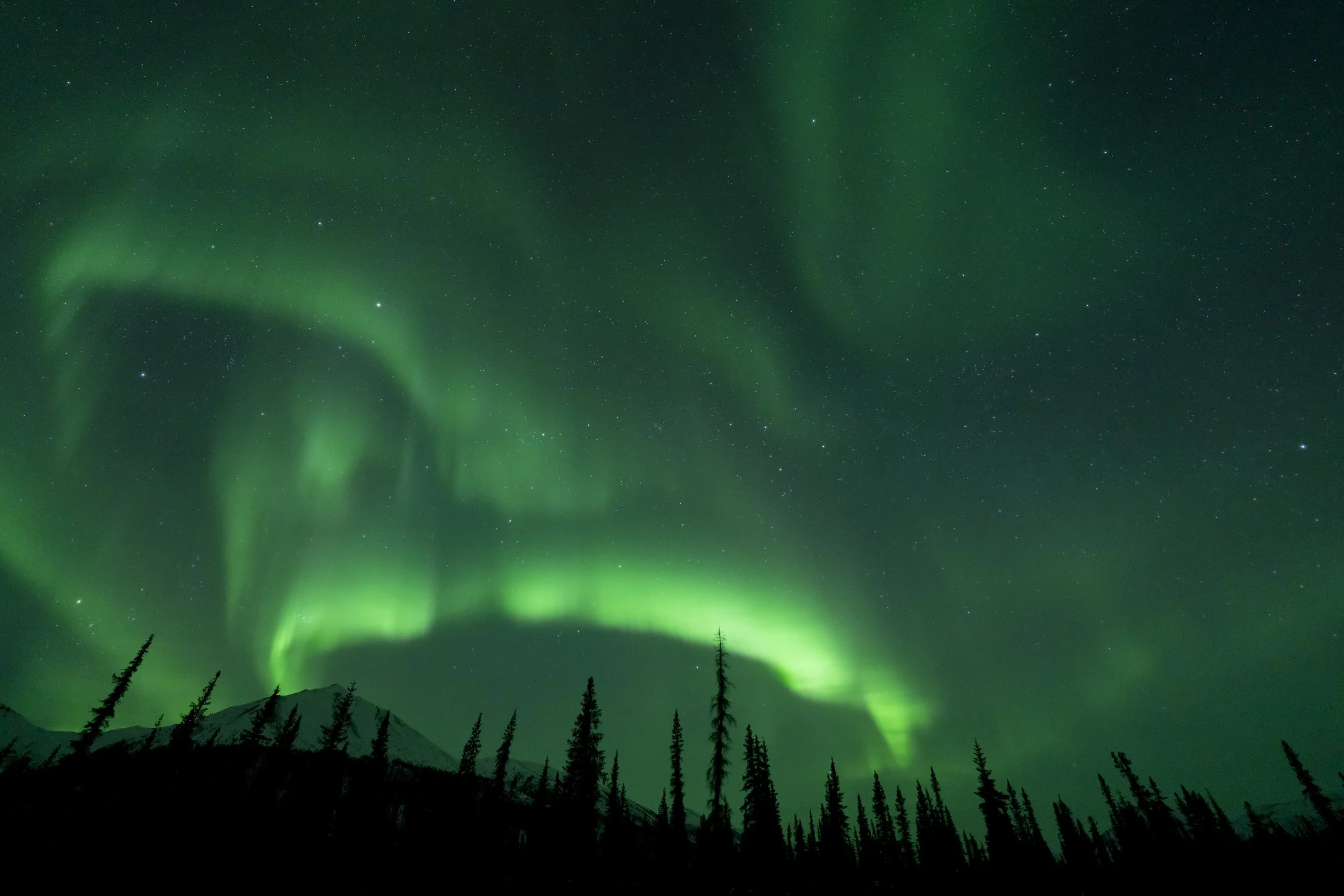
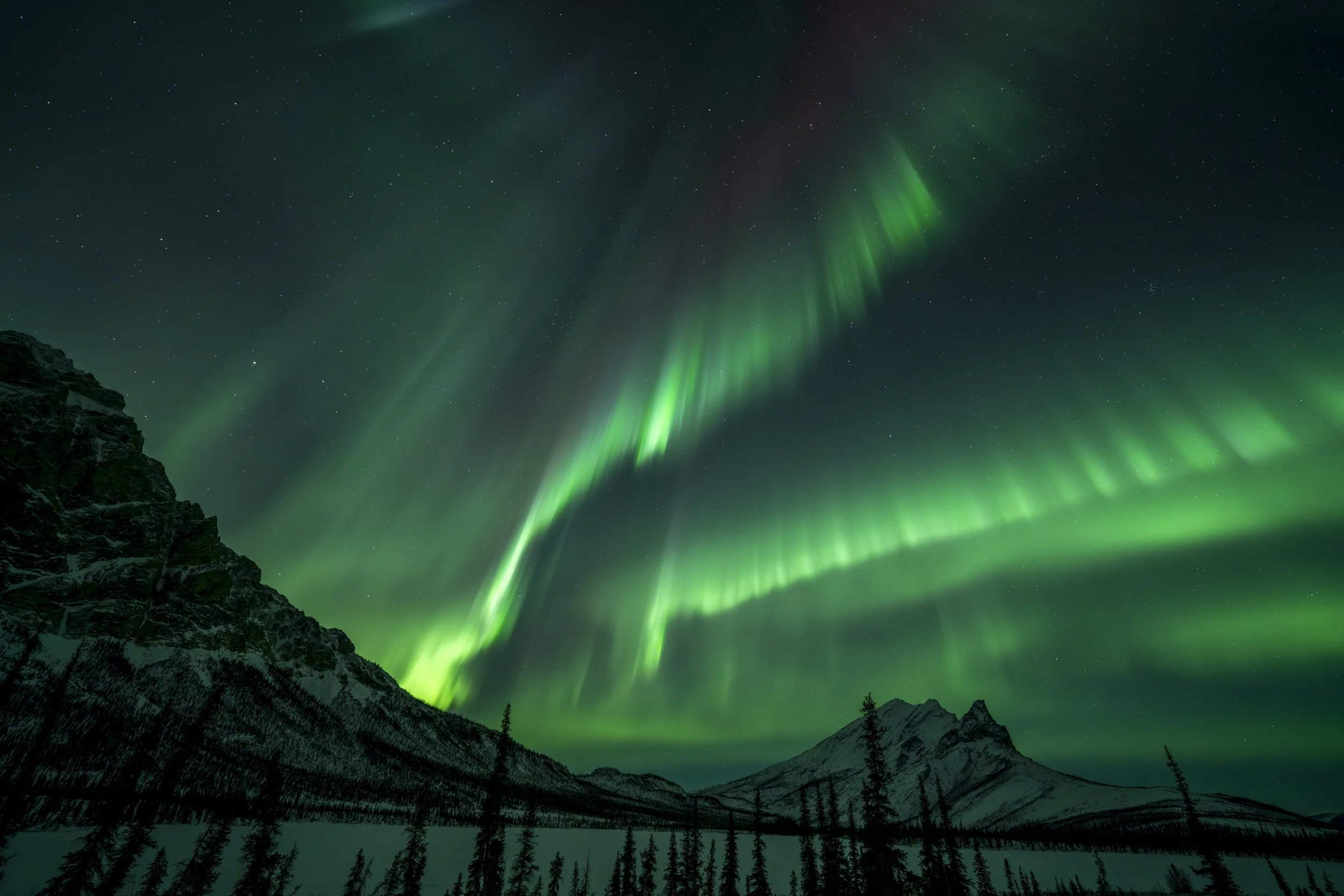
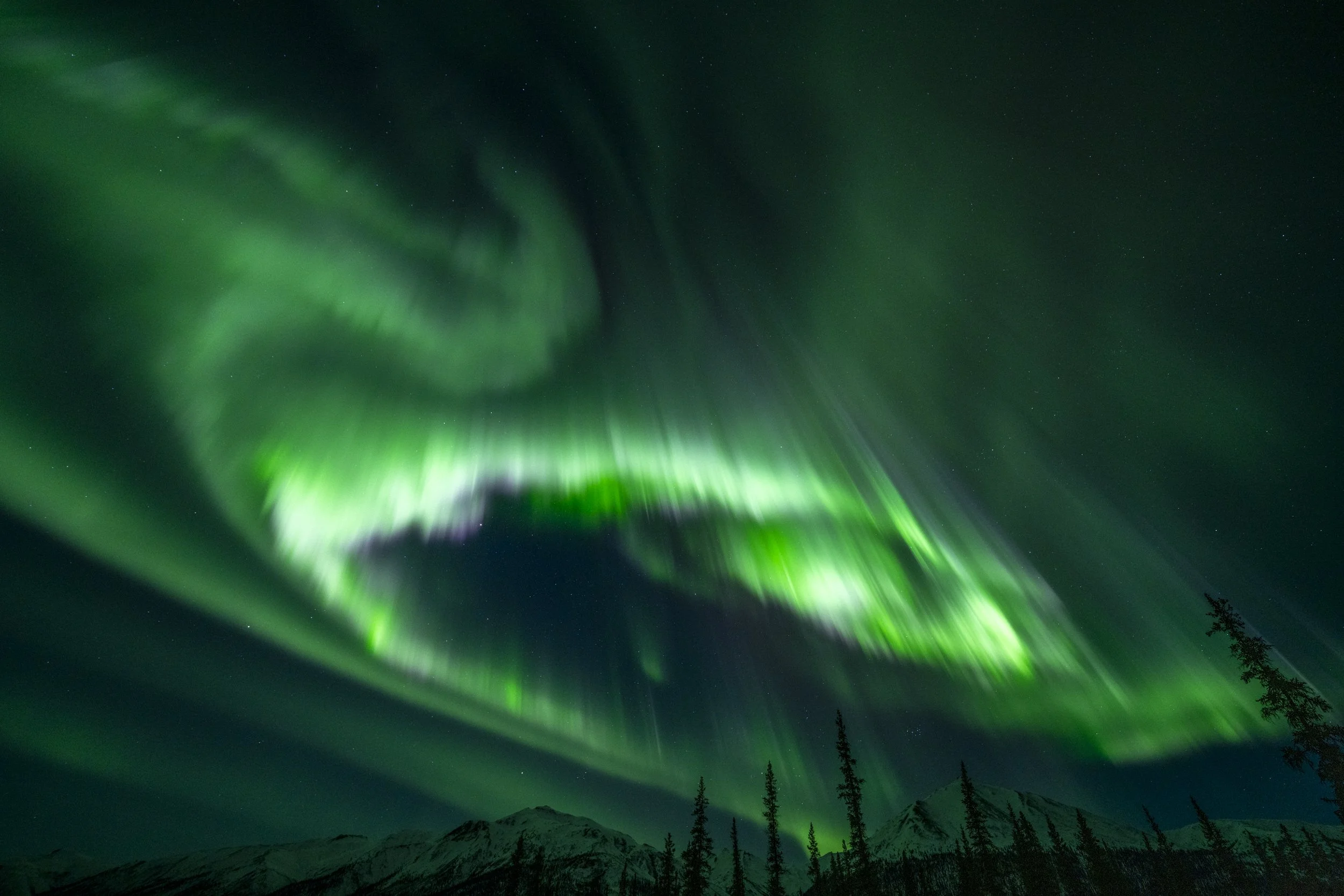
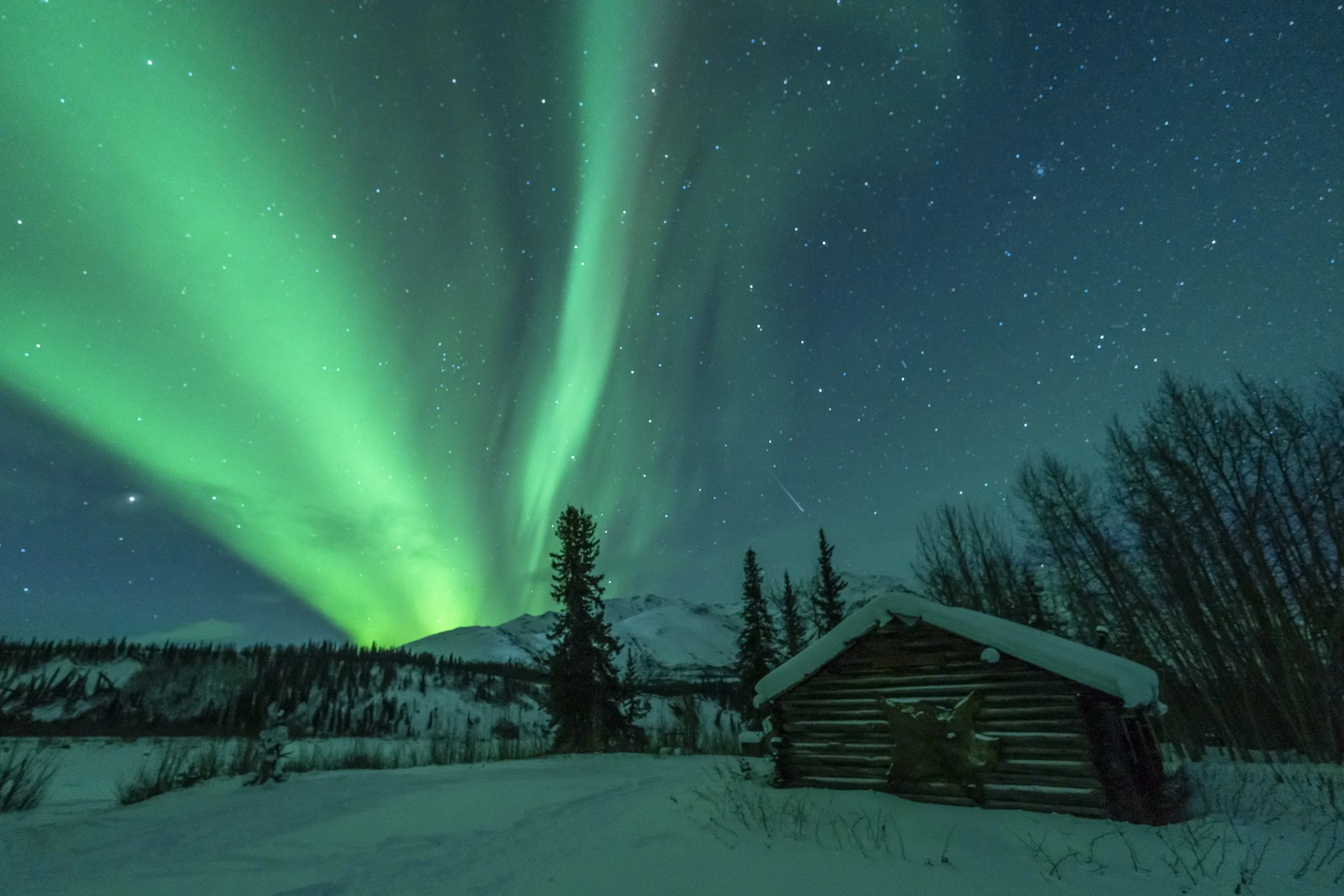
We were fortunate to see the Aurora most nights, but Friday the 13th proved that "unlucky" dates are a myth in the Arctic.
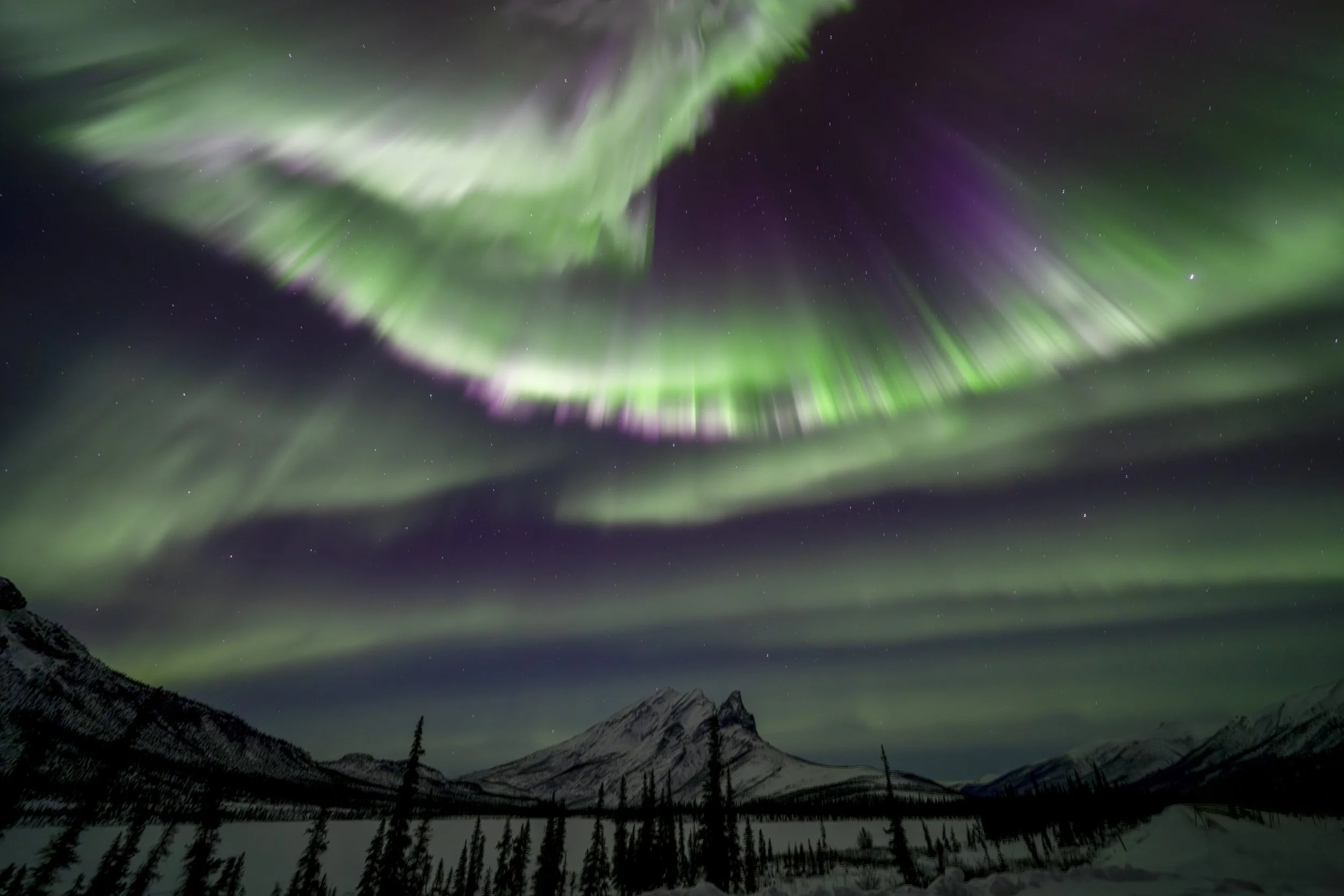
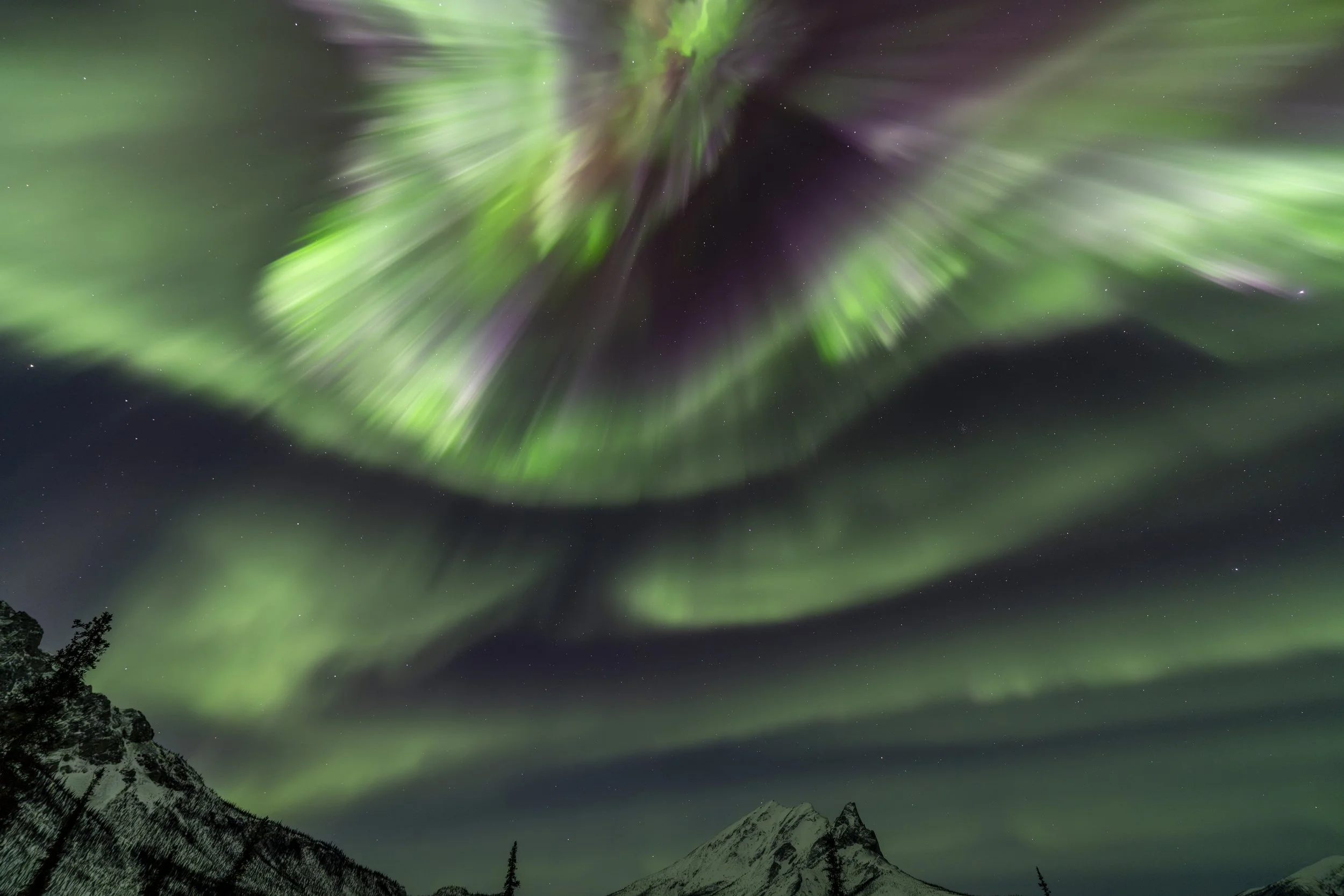
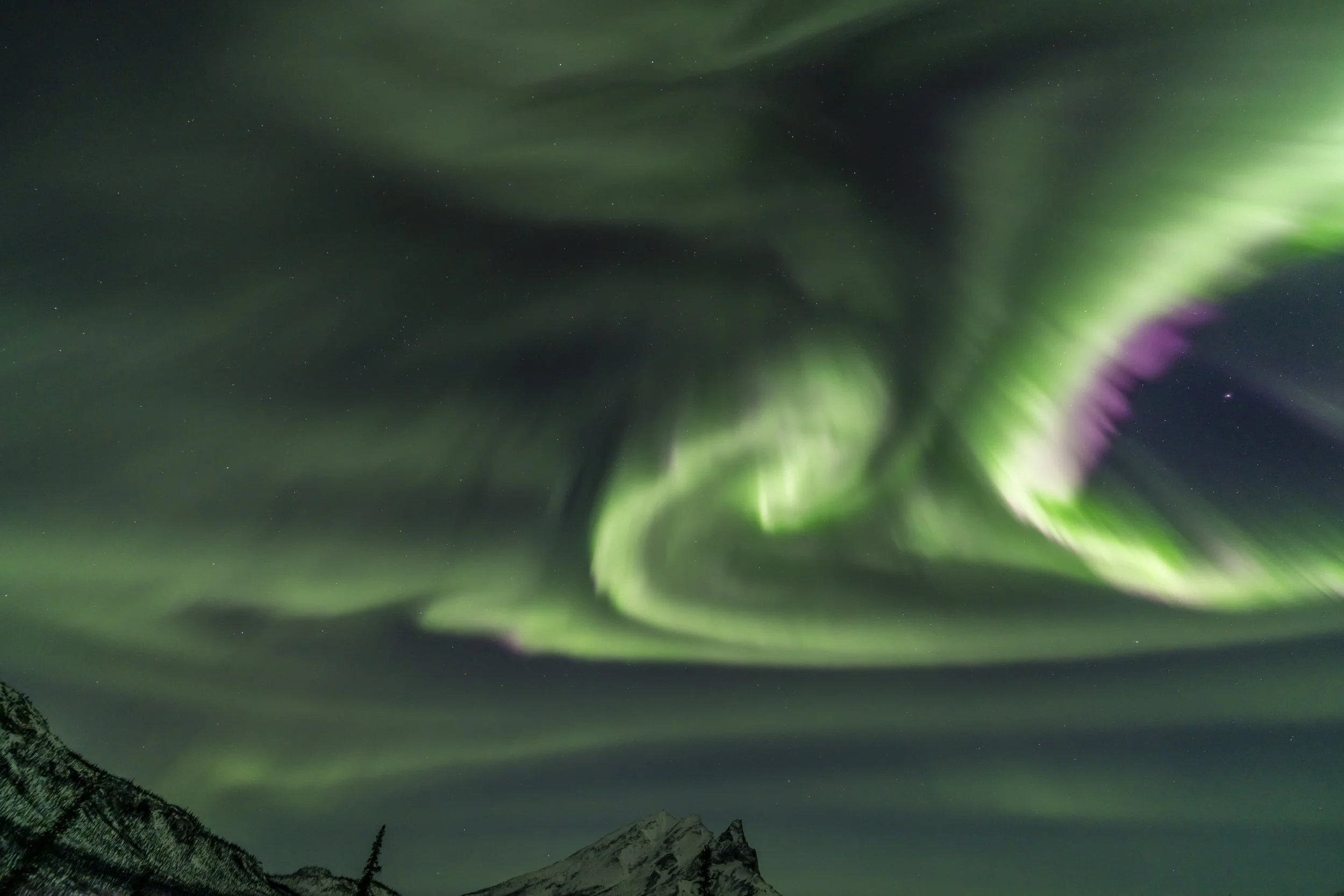
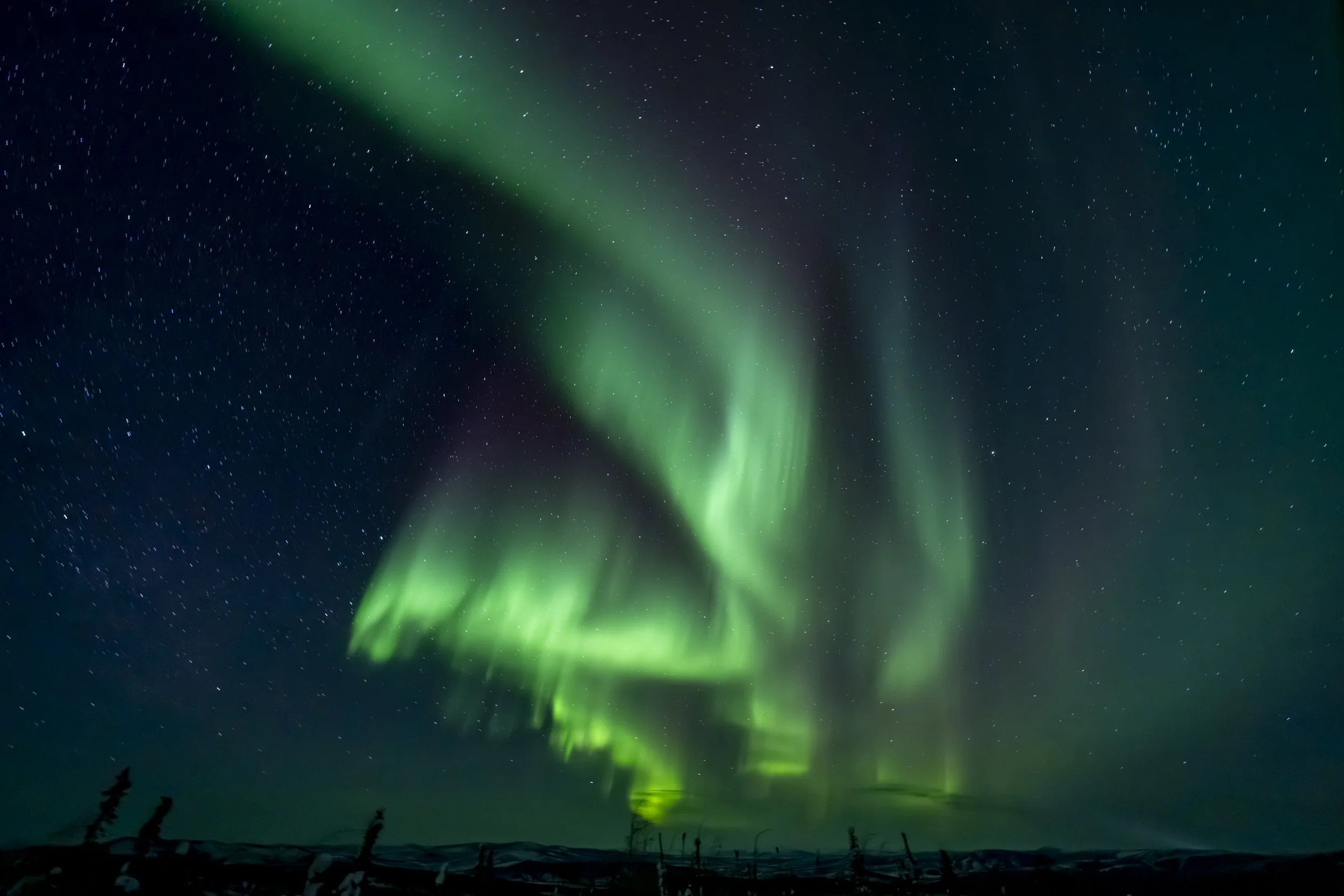
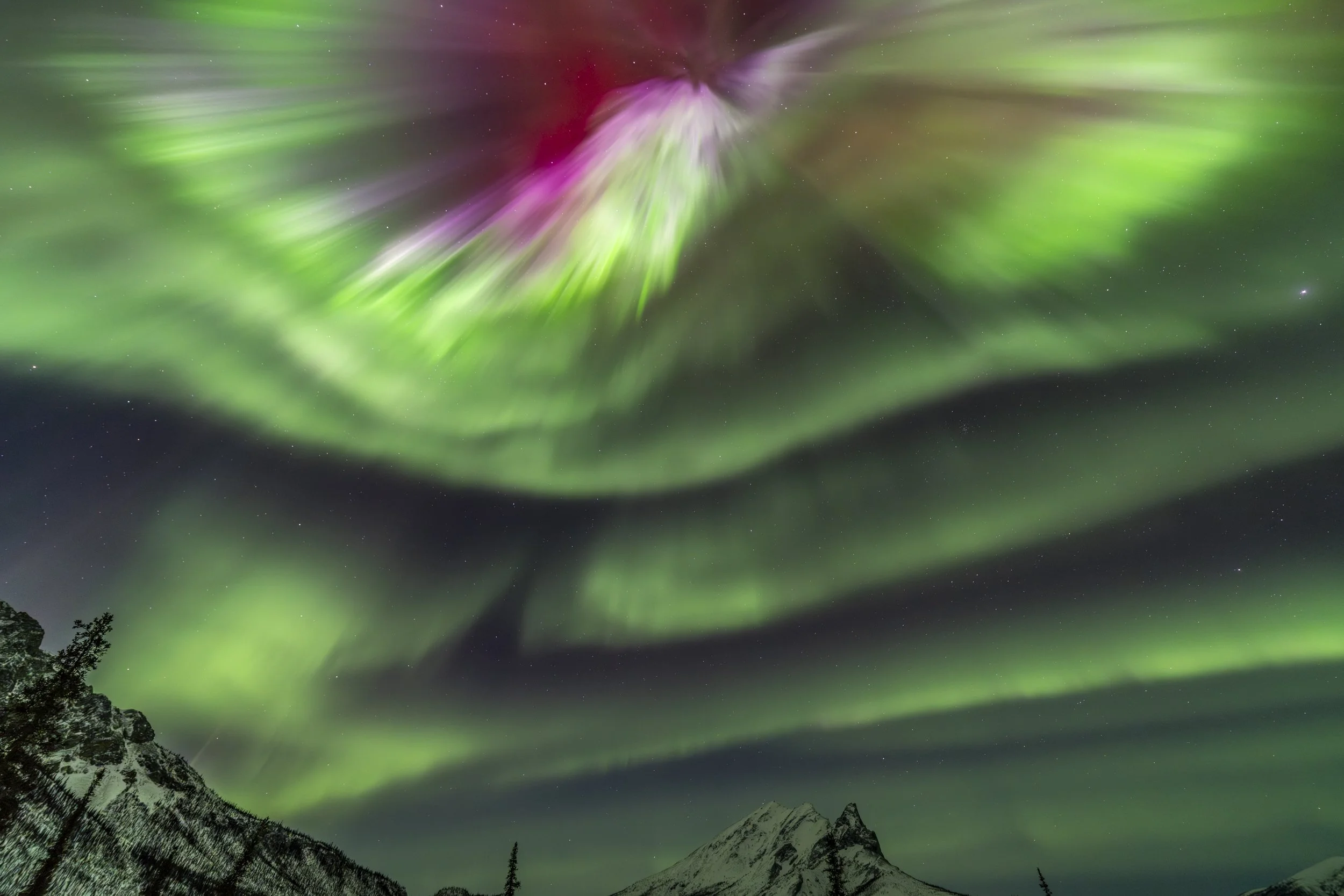
Around midnight, the sky didn't just glow; it exploded. A massive substorm hit, and for 20 minutes, the heavens were a chaotic, beautiful symphony of reds, purples, greens, and vibrant yellows. It felt less like a light show and more like the atmosphere was actually alive.
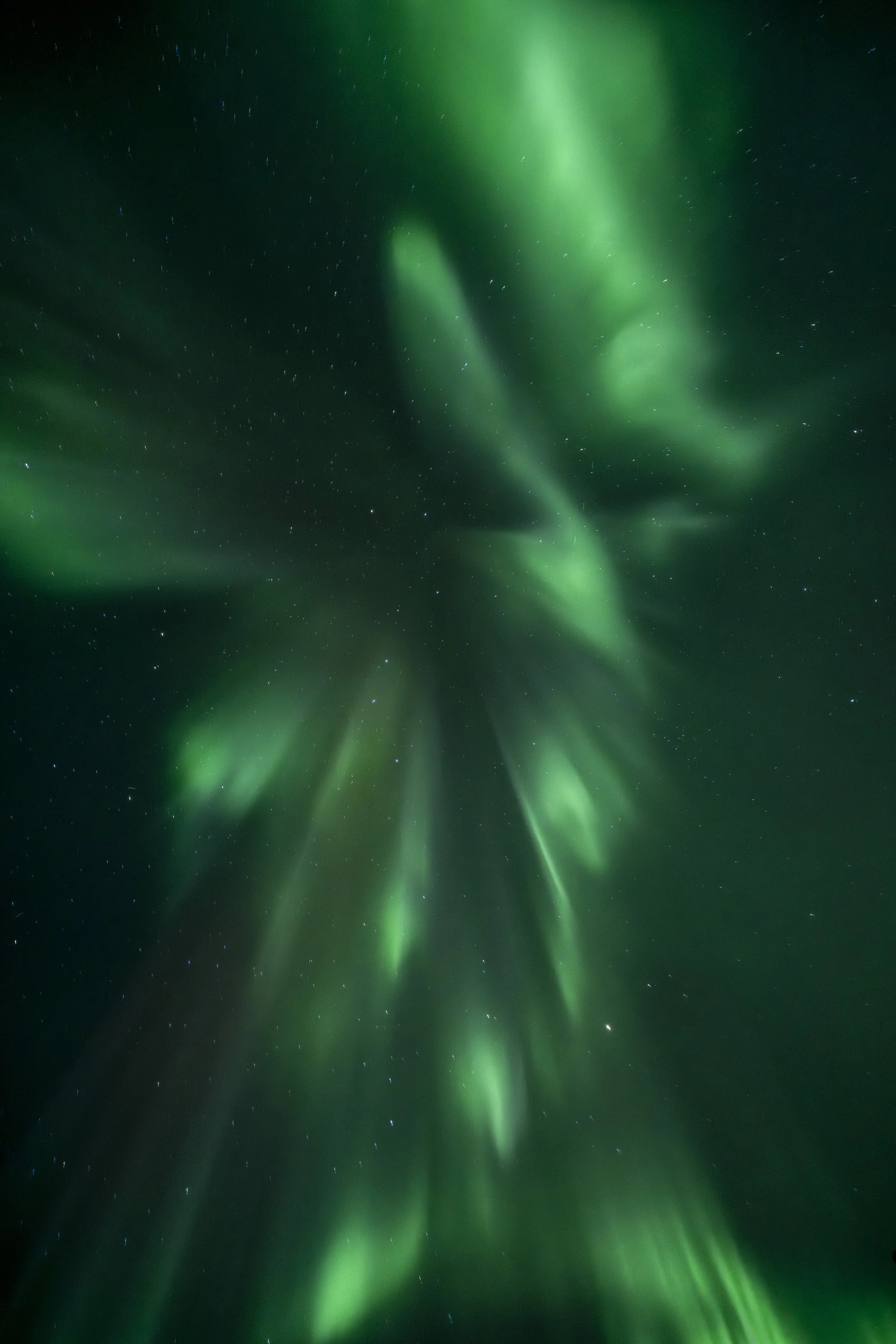
The climax was an overhead corona—a rare phenomenon where the aurora rays seem to converge directly above you. This one took the shape of a massive phoenix, its wings of fire burning through the dark velvet of the sky.
My first instinct was to grab my camera, fiddle with the tripod, and adjust my exposure. But I realized that this moment, the "Phoenix", was too fleeting and too grand for a lens to capture truly. I let the camera hang. I stood there, breath hitching in the fridgid air, and watched in total awe. I saved that image into my internal memory bank, where no SD card can ever fail.
Alaska in March is a test of endurance, but when the sky catches fire, you realize that the cold is just the price of admission for the greatest show on Earth.
Despite the harshness, the wildlife was thriving. During our trek, we encountered: Carribou moving like ghosts across the white tundra. Ptarmigan (Alaska's state bird) camouflaged perfectly in their winter white. A Red Fox providing a sharp, fiery contrast to the snow. A lonely porcupine, looking surprisingly determined as it waddled through the frozen pass.
The Enchanted Forest
The Enchanted Forest
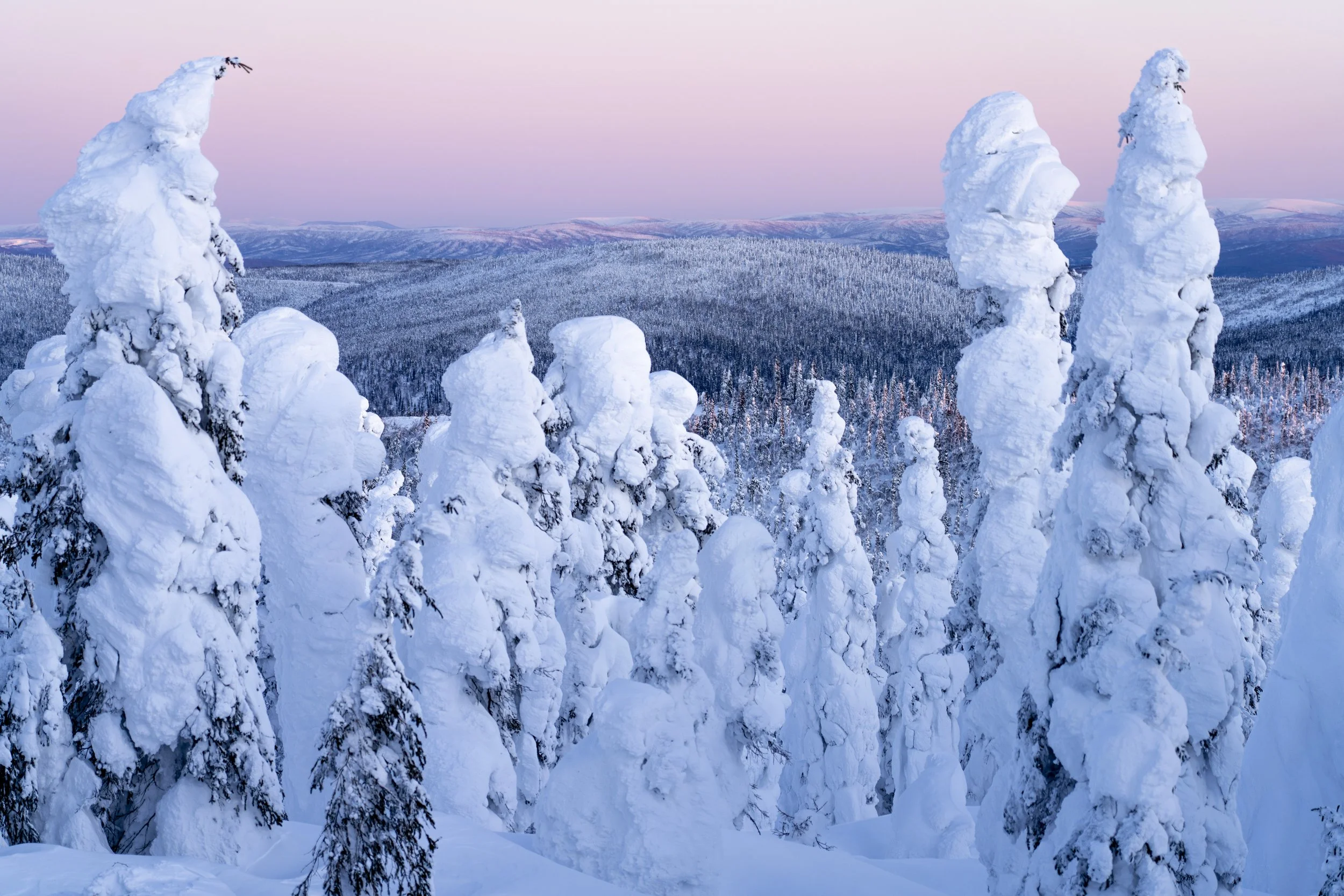
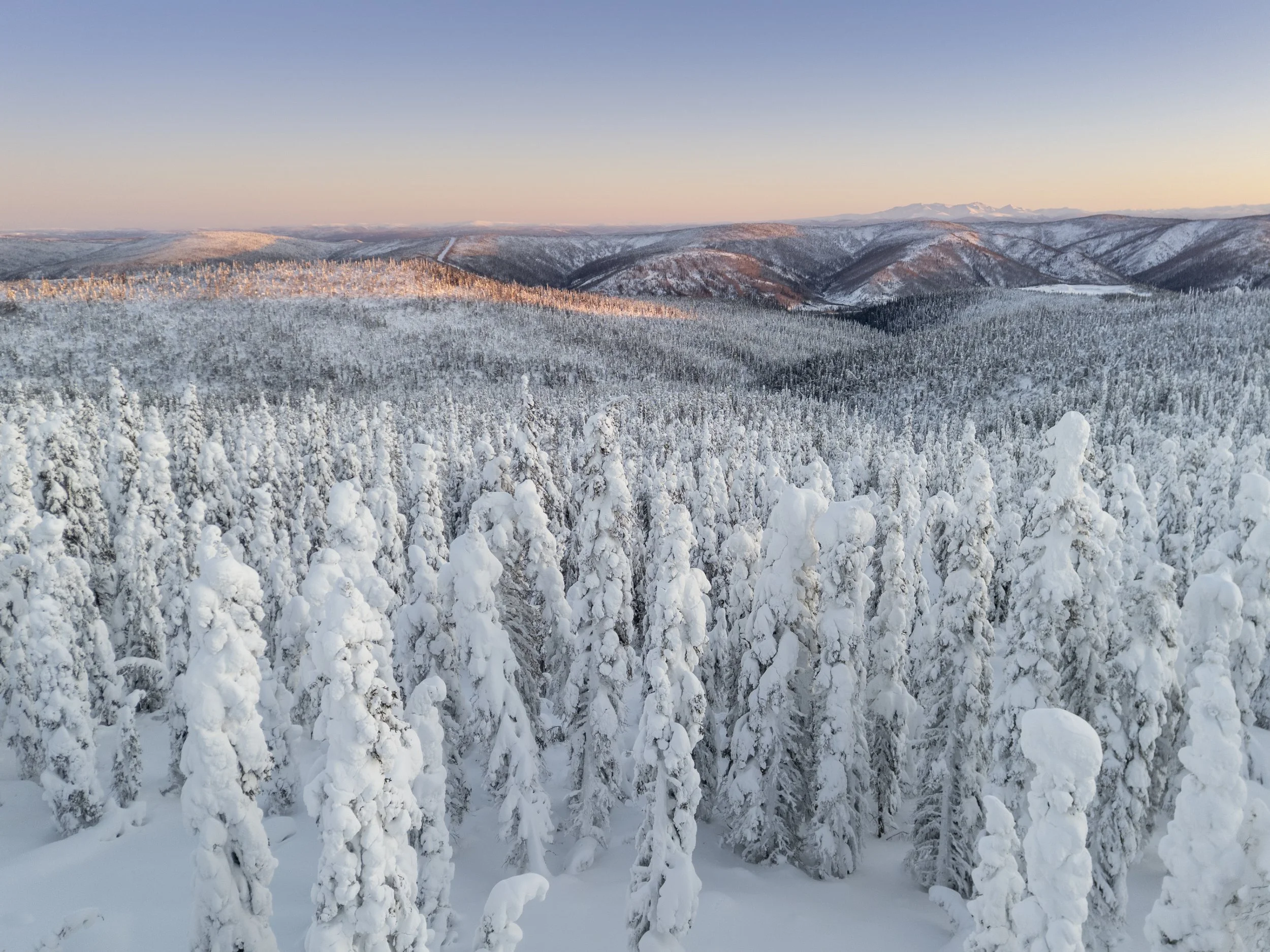
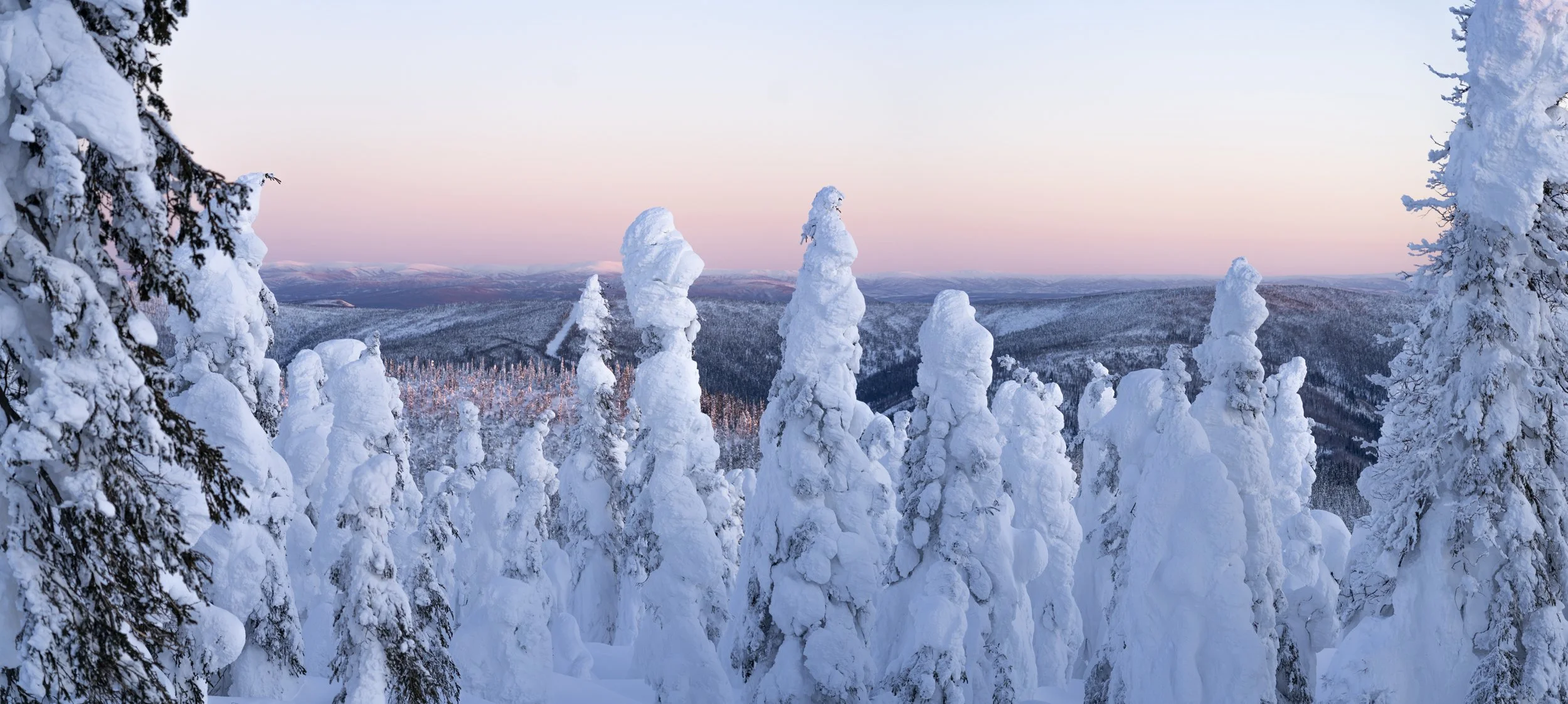
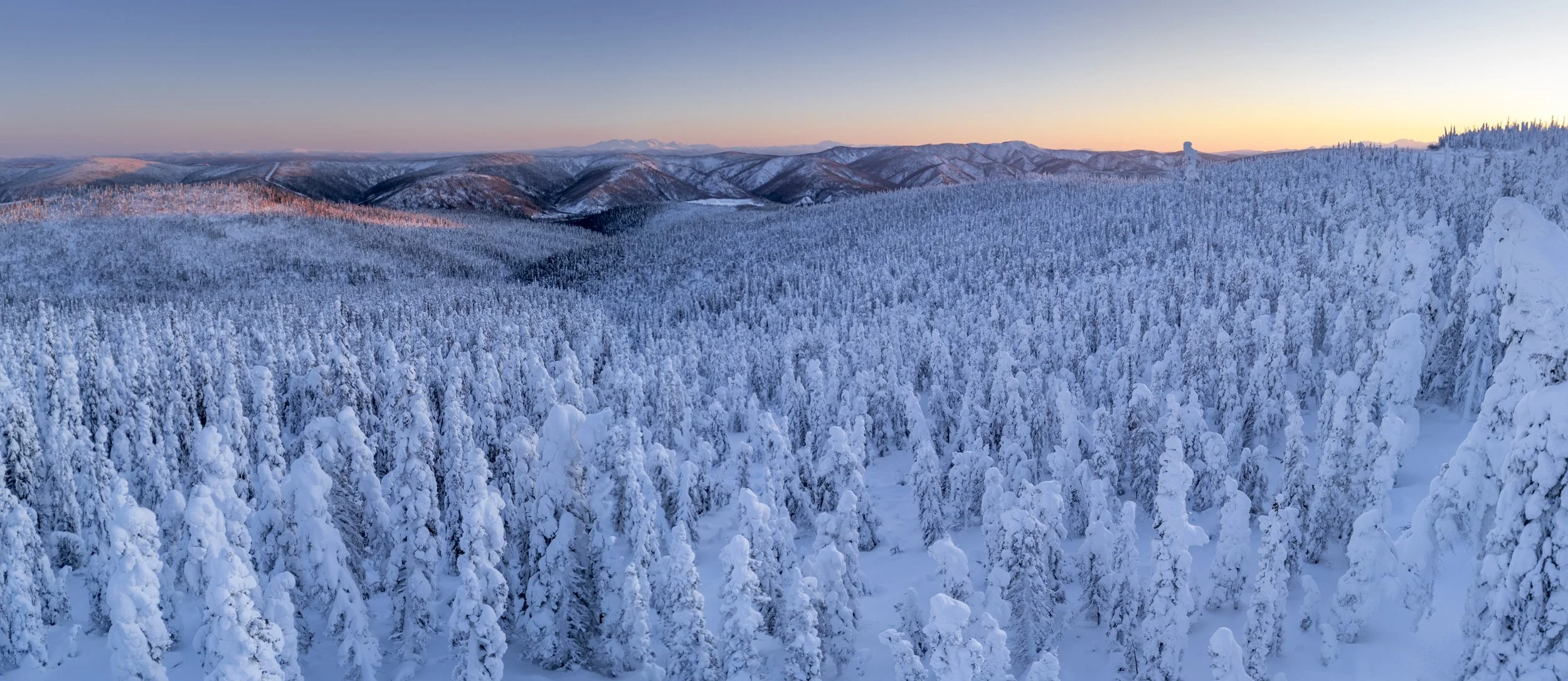
Three hours south of Coldfoot revealed a landscape straight out of a winter fairy tale. Known locally as the Enchanted Forest (located roughly around Mile 47 near the Yukon River), this stretch of the Dalton Highway is where the stunted black spruce trees transform into "snow ghosts." At -40°C, the moisture in the air crystallizes into thick rime ice that clings to every needle and branch, encasing the trees in heavy, white armor until they lose all resemblance to wood and bark. These frozen sculptures stand in silent, eerie clusters against the violet twilight, looking more like a gathering of spectral figures than a forest. Navigating through them feels like a quiet, crystalline dream—a soft, white contrast to the jagged, windswept peaks of the Brooks Range further north.
Atigun Pass
To truly experience the Brooks Range, we pushed further north to 68°26'56.5"N 149°22'11.6"W, traversing the legendary Atigun Pass. At 4,739 feet, this is the highest year-round pass in Alaska and the only spot where a road crosses the Continental Divide in the Brooks Range.
The drive was, in a word, "sketchy." As we entered the pass, signs stood like grim sentinels warning: "DO NOT STOP. AVALANCHE DANGER." Seeing those while surrounded by towering, snow-loaded peaks definitely gets the adrenaline pumping. You don't linger; you respect the mountain and keep moving.